In this article⌄
Sri Lanka brings ancient temples, dramatic rock fortresses, tea estates, wild elephants and tropical beaches together on one island. For a first visit, the essential highlights include Sigiriya, the Dambulla cave temples, Kandy, Ella, Yala National Park and the old town of Galle. Allow 10 to 14 days to combine culture, nature, a safari and the coast. With only a week, choose fewer stops so you have time to enjoy them. This guide covers ten memorable places, realistic visit times and practical seven- and fourteen-day routes.
Sri Lanka must-sees: 10 essential attractions
For a first trip, combine the Cultural Triangle, the central highlands, a national park and the coast. These stops are chosen for their cultural or natural significance and for how well they fit into a sensible route.
| Attraction | What makes it special | Time to allow |
|---|---|---|
| 1. Sigiriya | Rock fortress and panoramic views | 2–3 hours |
| 2. Dambulla | Historic Buddhist cave temples | 1.5–2 hours |
| 3. Polonnaruwa | Ruins of a medieval royal capital | 3–5 hours |
| 4. Kandy | Temple of the Tooth and Buddhist heritage | Half to one day |
| 5. Nuwara Eliya | Tea estates and cool mountain air | Half to one day |
| 6. Ella | Nine Arch Bridge and mountain hikes | 1–2 days |
| 7. Yala National Park | Safari with elephants and leopards | 3–5 hours |
| 8. Mirissa | Palm-fringed beaches and coastal scenery | 1–3 days |
| 9. Galle Fort | Colonial streets and historic ramparts | 2–4 hours |
| 10. Anuradhapura | Ancient Buddhist capital | Half to one day |
These times cover visits on site, not the journey there, and vary with weather, crowds and your interests. Sigiriya, Dambulla, Polonnaruwa, Kandy, Galle and Anuradhapura are UNESCO World Heritage sites.
Sri Lanka attractions on the map
The ten highlights span four broad regions. Ancient capitals and temples sit in the north and centre; the highlands lie to the south; a classic circuit then continues through the southeast to the southern coast.
Explore the destinations in this guide
You do not need to visit every place. On a seven-day trip, consider skipping Anuradhapura and Polonnaruwa so you have more time for the highlands and coast.
The 10 Sri Lanka highlights in detail
1. Sigiriya Lion Rock: a spectacular rock fortress
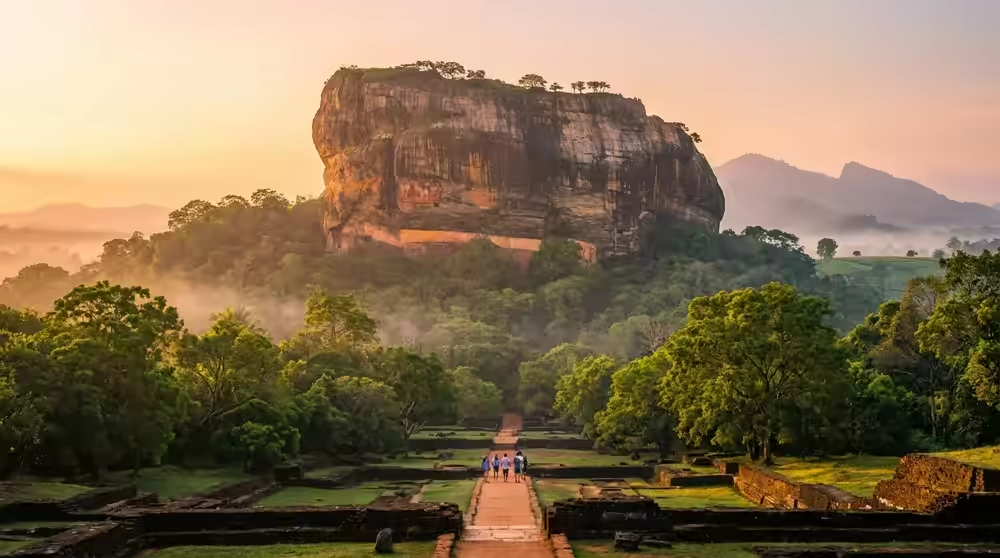
Sigiriya is one of Sri Lanka’s most remarkable historic sites. In the fifth century, King Kashyapa built a royal citadel on and around a granite outcrop rising roughly 180 metres above the surrounding plain. Its water gardens, frescoes, Mirror Wall, monumental Lion Gate and summit ruins form a UNESCO World Heritage site. The climb uses many steps and some narrow, exposed metal stairways; at the top, the view stretches across the forests and plains of the Cultural Triangle.
Allow two to three hours, or longer if you want to explore the gardens and museum. Start early, before the heat, wear sturdy shoes and bring water and sun protection. The climb may be challenging for visitors with a fear of heights or limited mobility; the gardens at ground level are also worth seeing. Nearby Pidurangala has a celebrated view of Sigiriya, but its rocky final section is not suitable for everyone. See our Sigiriya climbing guide for more practical advice.
2. Dambulla Cave Temple: Buddhist art in five caves
Around 30 minutes from Sigiriya, the Rangiri Dambulla Cave Temple is among Sri Lanka’s best-preserved cave temple complexes. Five sanctuaries contain 157 statues and extensive Buddhist murals. The reclining and seated Buddha figures are especially striking in the subdued light. Allow 1.5 to two hours. Cover your shoulders and knees, remove your shoes before entering the shrines, and follow local rules about photography. This is an active religious site, so be considerate of worshippers. Dambulla works well in the morning before an early visit to Sigiriya the following day.
3. Polonnaruwa: explore a medieval royal capital
Polonnaruwa was one of Sri Lanka’s major capitals during the medieval period. Today, its temples, palaces and ancient water systems are protected as a UNESCO World Heritage site. Highlights include the monumental Buddha statues at Gal Vihara, the circular Vatadage shrine and the remains of the Royal Palace. The archaeological zone is spread out, so explore by vehicle or bicycle. Allow three to five hours, start before the midday sun and carry water and sun protection. A local guide can explain how the temples, palaces and reservoirs fit together.
4. Kandy: a cultural centre in the green highlands
Set among wooded hills, Kandy was the last capital of the Sinhalese kingdom. Its most important shrine, Sri Dalada Maligawa or the Temple of the Sacred Tooth Relic, holds a sacred relic that is central to Buddhist life in Sri Lanka. The city became a UNESCO World Heritage site in 1988. Walk around Kandy Lake and, if you have time, visit the Royal Botanical Gardens at Peradeniya. Allow half a day to a full day. A night is enough for the main sights; two nights make for a more relaxed stop. City traffic can be heavy, so allow extra time for road transfers.
5. Nuwara Eliya: tea estates and cool mountain air
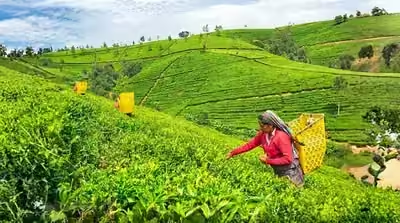
At about 1,900 metres above sea level, Nuwara Eliya feels very different from Sri Lanka’s tropical coast. Tea estates, vegetable plots and green slopes surround the town, whose architecture still reflects the British colonial period. At a tea factory, you may learn about withering, rolling, oxidation, drying and grading Ceylon tea, although not every stage is always operating during a tour.
Allow half a day or more for a factory, plantation walk, viewpoints and Gregory Lake. The drive from Kandy can take roughly 2.5–4 hours depending on the road and traffic. Bring a warm layer for evenings. Hikers can make an early trip to Horton Plains National Park and the World’s End viewpoint; later mist can reduce visibility. Read our guide to Sri Lanka’s hill country.
6. Ella: Nine Arch Bridge and mountain scenery
Ella is a popular highland stop known for Nine Arch Bridge, a historic railway viaduct set among green hills. The area also has viewpoints and hikes, including Little Adam’s Peak, Ella Rock and trails through nearby tea estates. Allow at least a full day, ideally two nights if you want a longer hike. Early morning is best for walking and photography. From Kandy, the train journey through the hill country is one of the island’s best-known rail experiences; journey times and schedules can change. Check current services and reserve seats early if you need one. Our Kandy–Ella train guide has more planning tips.
7. Yala National Park: safari in the wild
Yala is one of Sri Lanka’s best-known national parks, with varied habitats that include dry forest, grassland, lagoons and coastline. Elephants, crocodiles, water buffalo, deer and many bird species may be seen. Leopards are famous here, but sightings are never guaranteed. A typical jeep safari takes three to five hours. Choose a responsible operator who follows park rules, keeps a respectful distance and does not crowd or feed wildlife. Check current opening conditions and park access before setting out.
Yala can be busy in peak season. Udawalawe is often a strong alternative for elephant sightings and may suit a route through Ella and the south. The better choice depends on the season, current wildlife movements and the rest of your itinerary. Compare options in our guide to Sri Lanka’s national parks.
8. Mirissa: tropical beaches and a laid-back coast
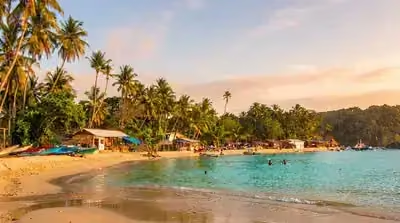
Mirissa is known for palm-fringed beaches, coastal scenery, cafés and a relaxed atmosphere. Depending on the season, visitors come to swim, surf, unwind or take a boat trip. Allow one to three days. Conditions at the water vary: check the waves, currents and local advice before swimming. Whale-watching trips operate seasonally; choose a responsible crew that gives wildlife space and never promises a sighting. Explore other options in our guide to the best beaches in Sri Lanka.
9. Galle Fort: historic streets by the sea
Galle Fort is a UNESCO-listed coastal town enclosed by historic ramparts. Portuguese foundations were expanded under Dutch rule, and the fort today blends colonial-era buildings with homes, galleries, shops and cafés. Walk the walls, explore the old streets and visit the lighthouse. Two to four hours is enough for a highlights visit, while an overnight stay lets you enjoy the fort in the quieter evening and morning. Wear comfortable shoes on the cobbled lanes and plan for heat during the day.
10. Anuradhapura: an ancient Buddhist capital
Anuradhapura served as a major political and religious centre for centuries. Its vast archaeological area includes dagobas, monasteries, carved stonework, irrigation tanks and sacred Bodhi trees. Allow half a day to a full day; distances between sites are considerable, so a bicycle or vehicle helps. Cover shoulders and knees at religious sites and remember that many monuments remain active places of worship. Visit early to avoid the strongest sun and take water with you.
Sri Lanka itinerary: a practical seven-day route
A week is short for the whole island. This compact circuit prioritises the Cultural Triangle, hill country and south coast; expect several long driving days. If your schedule is tight, remove a stop instead of squeezing in every attraction.
| Day | Base and route | Suggested plan |
|---|---|---|
| 1 | Airport and Negombo | Arrive and recover |
| 2 | Sigiriya | Drive to the Cultural Triangle; optional Pidurangala |
| 3 | Sigiriya, Dambulla and Kandy | Visit the fortress and cave temple, then continue |
| 4 | Kandy and Nuwara Eliya | Temple visit and drive through tea country |
| 5 | Nuwara Eliya and Ella | Scenic train from Nanu Oya and Nine Arch Bridge |
| 6 | Ella and Galle | Early hike and transfer to the south coast |
| 7 | Galle and airport area | Explore the fort and transfer for departure, flight time permitting |
Making a seven-day tour work
This is a fast-paced route with limited beach time. A late arrival or early departure may make the first or last day unsuitable for sightseeing. If a relaxed beach break matters, shorten the inland route or add days. Travelling from Ella to Galle in one day is a long drive; break the journey if you can.
A balanced 14-day Sri Lanka itinerary
Two weeks allow a more comfortable circuit through the Cultural Triangle, Kandy, the tea country and Ella, followed by a safari and time at the sea. A route can begin in Negombo and finish on the south or west coast, or continue to the east coast when the season suits.
- Day 1: Arrive and stay in Negombo.
- Days 2–4: Explore Dambulla, Sigiriya and Polonnaruwa from a base in the Cultural Triangle.
- Days 5–6: Stay in Kandy for the Temple of the Tooth, market and botanical garden.
- Days 7–8: Travel through Nuwara Eliya to Ella; take a train segment if you wish and let your driver handle luggage.
- Day 9: Safari in Yala or Udawalawe, depending on route and conditions.
- Days 10–13: Enjoy the south or west coast.
- Day 14: Transfer to the airport with time to spare.
If you have two extra days, stay two nights in Sigiriya, Kandy and Ella and keep five or six nights for the beach. This reduces long travel days and works especially well for families. In the European summer, consider heading east after the highlands.
Why this order works
The circuit moves from the north-central heritage sites into the highlands and then south towards a national park and the coast. The best beach region changes with the season. Allow at least two nights at the main stops and keep the last transfer flexible around your flight.
Driving times between Sri Lanka attractions
Sri Lanka can look small on a map, but actual travel can be slow, especially in the hills or on smaller roads. These approximate road times exclude longer sightseeing breaks.
| Route | Typical drive |
|---|---|
| Colombo Airport to Negombo | 20–40 min |
| Negombo to Sigiriya | 3.5–5 hours |
| Sigiriya to Polonnaruwa | 1–1.5 hours |
| Sigiriya to Dambulla | 25–40 min |
| Dambulla to Kandy | 2–3 hours |
| Kandy to Nuwara Eliya | 2.5–4 hours |
| Nuwara Eliya to Ella by road | 1.5–2.5 hours |
| Ella to Yala area | 2–3.5 hours |
| Yala area to Mirissa | 2.5–4 hours |
| Mirissa to Galle | 45–75 min |
| Galle to Colombo Airport | 2–3.5 hours |
Rain, roadworks and traffic can add considerable time. Add a buffer in the hill country, and try to plan no more than one major visit and one long transfer on the same day.
When is the best time to visit Sri Lanka?
Sri Lanka is a year-round destination, but its monsoon patterns affect different coasts at different times. The southwest monsoon usually influences the south and west from around May to September; the northeast monsoon is generally strongest from December to February. Conditions vary locally and from year to year, so use these seasons as planning guidance.
| Region | Often favourable months | Notes |
|---|---|---|
| South and west coasts | December–March/April | Often better beach conditions |
| East coast | May–September | Sea is often calmer |
| Cultural Triangle | Often drier May–September | Visit year-round; it can be hot |
| Kandy and highlands | Varies by season | Cooler, changeable weather |
| Yala and southeast | Varies by park and season | Check park closures |
December to April: a classic circuit with the south coast
This period often works well for combining Sigiriya, Kandy, Ella, a safari and Mirissa. The southwest coast is often sunnier, although rain and mist can still occur in the mountains.
May to September: consider the east coast
During the southwest monsoon, consider Trincomalee, Nilaveli or Uppuveli for beaches and snorkelling, or Arugam Bay for surfing. Trincomalee can be paired with Polonnaruwa; Arugam Bay is a further southeastern extension from the highlands.
October and November: leave room to adapt
The second inter-monsoon period can bring heavy rain and thunderstorms. Travel is still possible, but keep hikes, safaris and boat trips flexible. For a first visit combining heritage, hill country and the southwest coast, December to March often has favourable conditions; for the east coast, check May to September.
Getting around: private driver, train or rental car?
| Transport | Advantages | Trade-offs |
|---|---|---|
| Private driver | Flexible stops, direct transfers, route assistance | Higher cost |
| Train | Scenic and often inexpensive | Limited routes, schedules and possible disruption |
| Public bus | Low-cost, broad network | Can be slow and awkward with luggage |
| Rental car | Independent travel | Left-side driving and unfamiliar road conditions |
| Tuk-tuk | Useful for short local trips | Slow and less comfortable for long journeys |
A private driver is particularly useful for a short trip with frequent hotel changes and out-of-the-way sights. Confirm whether the quote includes fuel, parking, tolls, driver accommodation and extra hours. You can also hire a driver for only one region instead of the full holiday. A mix of trains, buses, tuk-tuks and private transfers can cost less over a longer stay.
What does a Sri Lanka sightseeing tour cost?
The budget depends on accommodation, group size, transport and activities. Estimate the main costs separately, then check current entrance and park fees before setting a final budget.
| Expense | What to check |
|---|---|
| Accommodation | Standard, season, location and breakfast |
| Transport | Driver, rental car, train and transfers |
| Heritage sites | Separate entrance fees |
| Safari | Jeep, park entry, guide and surcharges |
| Food | Local or tourist-area restaurants |
| Activities | Boat trips, guides and specialist excursions |
| Incidentals | Tips, SIM card, luggage and reservations |
A safari or several major heritage sites may cost more than an ordinary beach day. Using two or three well-placed bases in the Cultural Triangle and highlands can reduce hotel changes and unnecessary transfers. Check current prices for individual activities before committing to a total budget.
Practical tips for your first Sri Lanka trip
Check entry requirements and ETA
An Electronic Travel Authorisation may be required for a tourist visit. Rules, eligibility and fees can change, so check the current instructions and apply through the official Sri Lanka ETA website. Also confirm passport validity, any return-ticket requirements and current entry rules before departure.
Visit temples and cultural sites respectfully
Sri Lanka’s Buddhist heritage is living. Many historic sites remain active places of worship. Dress appropriately, follow local instructions and ask before taking photographs if you are unsure. Avoid disrespectful poses around Buddha images.
Choose responsible wildlife experiences
Keep a safe distance from elephants, leopards and other wildlife, and do not disturb their natural behaviour. Avoid operators who feed or crowd animals for photographs. A responsible safari can still be rewarding when a rare species is not seen.
Plan for heat and health
Tropical heat can make temple visits and hikes tiring, especially around midday. Drink water, protect yourself from sun and mosquitoes and take regular breaks. For medical travel preparation, seek advice from a qualified travel-health professional in good time.
Frequently asked questions about Sri Lanka must-sees
What should you not miss in Sri Lanka?
Sigiriya, Dambulla, Polonnaruwa, Kandy, Ella, the hill-country tea estates, a national park such as Yala or Udawalawe, and Galle Fort are among the key highlights. A first trip is most rewarding when you balance heritage, nature and the coast.
What are the three biggest highlights?
For three contrasting experiences, choose Sigiriya for ancient architecture, Ella for mountain scenery and a national park for wildlife. Culture lovers could swap Ella or the safari for Dambulla or Kandy.
How many days should I plan for Sri Lanka?
Ten to fourteen days is a good range for the main highlights. Seven days works for a compact circuit, while two weeks allow more time for the Cultural Triangle, highlands, safari and coast.
Can I see Sri Lanka in seven days?
Yes. A short route could cover Sigiriya, Dambulla, Kandy and Ella before the south coast. Expect long drives, and accept that you cannot fit every famous site into one week.
Which Sri Lanka attractions are good for families?
Manageable heritage visits, highland tea estates, beach stays and age-appropriate safaris can work well. At Sigiriya, consider the steps, heat and exposed sections. Extra nights make long transfers easier for children.
Where can I see wild elephants?
Elephants may be seen in Udawalawe, Minneriya and Kaudulla National Parks. The best choice depends on the season and current wildlife movements; sightings are never guaranteed.
Can I travel around Sri Lanka without renting a car?
Yes. Many visitors combine trains, buses, tuk-tuks and private transfers. For a short circuit with remote sights, a driver may save time; public transport can be a lower-cost option for longer stays.
Can I combine sightseeing with a beach holiday?
Yes. Combine cultural visits and nature with a coastal stay, choosing the coast for your travel season. The southwest often suits December to March, while the east is often a better option from May to September.
Where should I stay on my first Sri Lanka trip?
Negombo is convenient after arrival; Sigiriya or Habarana works for the Cultural Triangle; Kandy and Ella suit the highlands; and Mirissa or Galle works for the south coast. Staying multiple nights at selected bases is easier than changing hotels daily.
Plan a Sri Lanka trip that makes time for the highlights
Sri Lanka packs historic temples, ancient capitals, tea-covered hills, wildlife and tropical beaches into a relatively small island. For a first circuit, consider Sigiriya, Dambulla, Kandy, Ella, a safari and the south coast; add Polonnaruwa and Anuradhapura if you have more time. Leave room to rest instead of ticking off a new attraction every day. A sensible route, two or three nights at key bases and a coast that suits the season make the journey more enjoyable. You can also plan a private Sri Lanka round trip with your route, hotels, safari and sightseeing arranged before arrival.