In diesem Artikel
Sri Lankas kulturelles Erbe spannt sich über 2.500 Jahre und vermischt Einflüsse von Buddhismus, Hinduismus, Islam und Kolonialismus zu einem einzigartigen Tapeten, der die Inselnation heute definiert. Von antiken Stupas bis zu kolonialen Forts bieten die Kulturstätten des Landes einen Einblick in seine faszinierende Vergangenheit.
Der buddhistische Einfluss
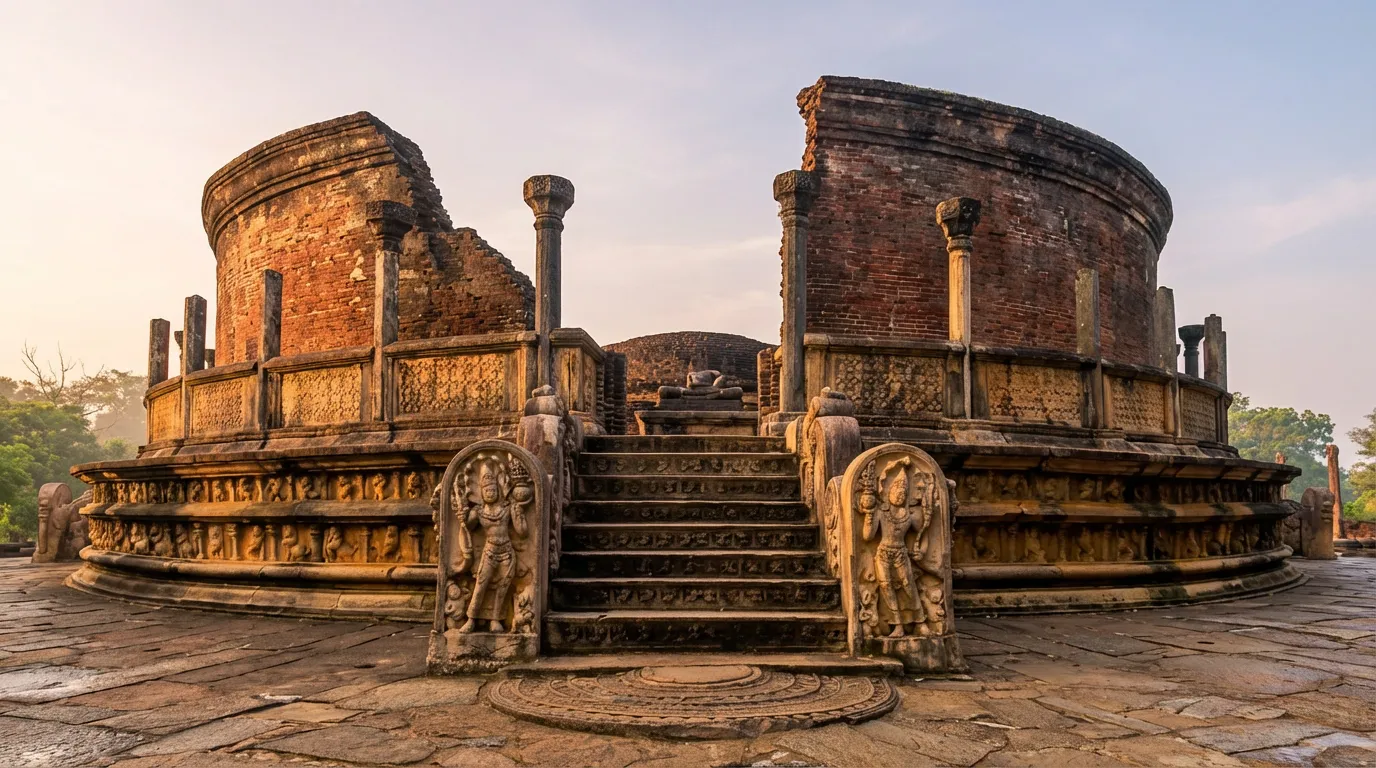
Der Buddhismus kam im 3. Jahrhundert v. Chr. in Sri Lanka an und hat seitdem jeden Aspekt der sri-lankischen Kultur geprägt. Die antiken Städte Anuradhapura und Polonnaruwa beherbergen einige der ältesten buddhistischen Monumente der Welt, einschließlich des Jaya Sri Maha Bodhi, eines heiligen Feigenbaumes, der aus einem Steckling des ursprünglichen Bodhi-Baumes gezogen wurde, unter dem Buddha die Erleuchtung erlangte.
Koloniales Erbe
Portugiesische, niederländische und britische Kolonisatoren hinterließen unauslöschliche Spuren in der sri-lankischen Architektur, Küche und Kultur. Galle Fort, eine UNESCO-Weltkulturerbe-Stätte, zeigt niederländische Kolonialarchitektur mit seinen massiven Steinmauern, Kopfsteinpflasterstraßen und europäischen Gebäuden. Der britische Einfluss ist am sichtbarsten in Nuwara Eliyas 'Klein-England' mit seinen Tudor-Cottages und Teeplantagen.
Traditionelle Feste
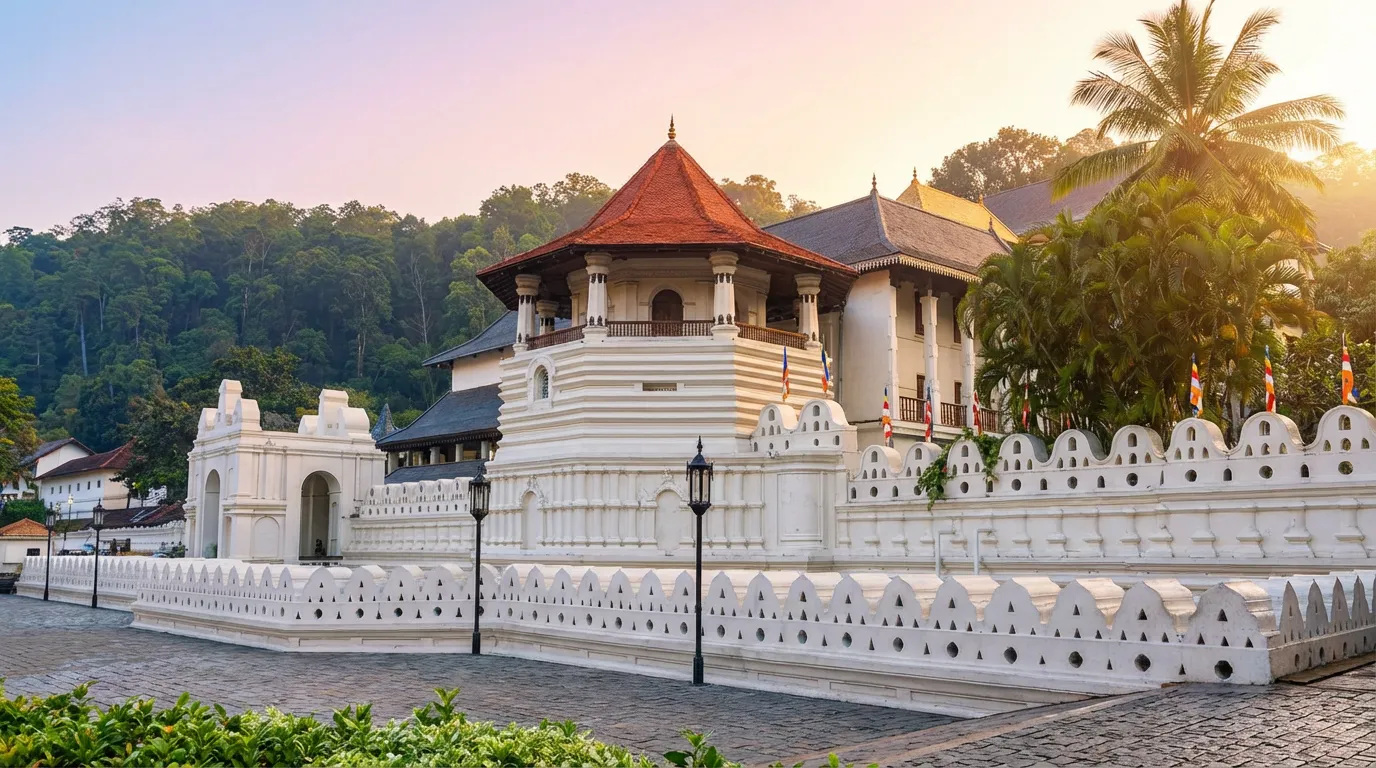
Sri Lankas Festkalender ist das ganze Jahr über gefüllt. Die Kandy Esala Perahera ist das spektakulärste, mit elegant kostümierten Elefanten, traditionellen Tänzern und Feuerspeiern, die durch die Straßen paradieren und das heilige Zahnreliquie Buddhas tragen. Tamil Thai Pongal, Vesak (Buddhas Geburtstag) und Weihnachten werden auch mit großer Inbrunst auf der ganzen Insel gefeiert.
Kunst und Handwerk
Traditionelle sri-lankische Künste umfassen kunstvolle Holzschnitzereien, lebendige Batik-Textilien und Maskenschnitze im Süden. Der Kandy-Tanz mit seinem rhythmischen Trommeln und akrobatischen Bewegungen ist eine kulturelle Aufführung, die man nicht verpassen sollte. Traditionelles Handwerk macht hervorragende Souvenirs und unterstützt lokale Kunsthandwerker.
Kulturelle Etikette
Beim Besuch von Tempeln kleiden Sie sich bescheiden (bedecken Sie Schultern und Knie), ziehen Sie Schuhe und Hüte aus und schalten Sie Ihr Handy aus. Es ist üblich, eine kleine Spende in Tempeln zu machen. Beim Treffen von Einheimischen wird eine leichte Verbeugung mit aneinandergelegten Handflächen (der 'Ayubowan'-Gruß) geschätzt. Berühren Sie niemals jemandes Kopf oder richten Sie Ihre Füße auf Personen oder religiöse Objekte.
Erleben Sie Kultur aus erster Hand
Unsere kulturellen Touren nehmen Sie tief in Sri Lankas Erbe hinein, mit Expertenguides, die die Bedeutung jeder Stätte erklären. Buchen Sie noch heute Ihre Kulturetour und gehen Sie durch lebendige Geschichte.Buchen Sie noch heute Ihre Kulturetour and walk through living history.